What is Interventional Neurology?
Interventional Neurology is a highly specialized branch of neurology that uses minimally invasive, image-guided techniques to diagnose and treat complex disorders of the brain, spine, and blood vessels. Unlike traditional open surgeries, these treatments are performed through tiny catheters inserted into blood vessels, offering faster recovery, less pain, and safer outcomes.
At Echelon Hospital, our Interventional Neurology team brings together cutting-edge technology with years of expertise to provide life-saving treatments for conditions such as stroke, brain aneurysms, blocked arteries, and more.
Conditions We Treat
Our Interventional Neurology services focus on treating disorders that affect the brain, spinal cord, and blood vessels. These conditions are often complex and life-threatening, but with modern minimally invasive techniques, they can be managed effectively with greater safety and better recovery.
Stroke (Ischemic & Hemorrhagic)
A stroke happens when blood supply to the brain is interrupted, either by a clot (ischemic stroke) or bleeding (hemorrhagic stroke). Stroke requires immediate emergency care—every second counts. Through procedures like mechanical thrombectomy or clot-dissolving interventions, we can restore blood flow and minimize long-term disability.
Brain Aneurysms
A brain aneurysm is a weak, balloon-like bulge in a blood vessel that can burst and cause life-threatening bleeding. At Echelon Hospital, we treat aneurysms with coiling or flow diversion techniques, which seal the weak spot from within without the need for open brain surgery.
Arteriovenous Malformations (AVMs)
AVMs are abnormal tangles of blood vessels that can rupture and cause bleeding in the brain. With procedures like embolization, we can block these faulty vessels and reduce the risk of serious complications.
Carotid Artery Disease
When the arteries in the neck (carotid arteries) narrow due to plaque buildup, the risk of stroke increases. Using carotid stenting, we open these arteries and restore proper blood flow, reducing the chances of stroke.
Cerebral Venous Sinus Thrombosis (CVST)
CVST occurs when blood clots form in the veins of the brain, leading to headaches, seizures, or stroke-like symptoms. Our interventional neurologists use advanced catheter-based treatments to safely remove these clots.
Spinal Vascular Disorders
Abnormalities in the blood vessels of the spinal cord can cause severe neurological problems. Through spinal angiography and targeted interventions, we can correct these issues with precision and protect spinal cord health.
Head & Neck Vascular Problems
Vascular disorders in the head and neck region can affect blood supply to vital areas. With minimally invasive techniques, we manage these conditions effectively while ensuring maximum safety.
Advanced Interventional Neurology Procedures at Echelon Hospital
We offer a complete spectrum of state-of-the-art, minimally invasive procedures designed to treat delicate brain and vascular conditions with the highest level of precision:
- Mechanical Thrombectomy: A breakthrough treatment for stroke where a clot is physically removed from brain arteries using a catheter.
- Carotid Artery Stenting: Placement of a tiny mesh tube (stent) to keep narrowed arteries open and prevent future strokes.
- Aneurysm Coiling & Flow Diversion: Minimally invasive techniques to close off weak spots in blood vessels and prevent rupture.
- Embolization of AVMs & Tumors: Blocking abnormal or tumor-related vessels to reduce bleeding risk and prepare for surgery when needed.
- Intracranial Angioplasty & Stenting: Expanding narrowed brain arteries with a balloon and supporting them with a stent to improve blood flow.
- Venous Sinus Stenting: A treatment for conditions such as idiopathic intracranial hypertension, where stenting helps reduce abnormal brain pressure.
- Spinal Angiography & Interventions: Targeted imaging and treatment for spinal vascular disorders that can cause pain or paralysis if untreated.
All procedures are guided by real-time imaging technology, ensuring maximum accuracy and safety. Patients benefit from smaller incisions, shorter hospital stays, and faster recovery.
Why Choose Echelon Hospital for Interventional Neurology?
At Echelon Hospital, we believe that every patient deserves timely, expert, and compassionate neurological care. Here’s what makes us one of the most trusted centers for Interventional Neurology:
- Highly Skilled Specialists – Our team includes expert interventional neurologists, neurosurgeons, and critical care doctors who have vast experience in managing complex brain and vascular conditions.
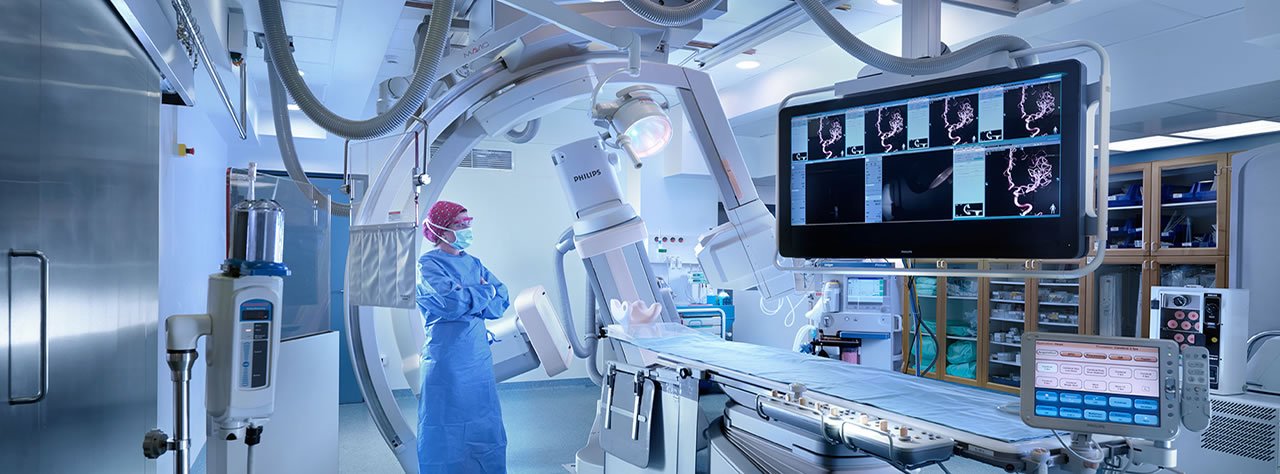
- Cutting-Edge Infrastructure – We are equipped with an advanced Neuro Cath Lab, modern imaging systems, and dedicated neuro ICUs, enabling world-class precision and safety.
- 24/7 Stroke & Emergency Care – Stroke and aneurysm cases require urgent attention. Our round-the-clock emergency stroke care unit ensures immediate diagnosis and treatment within the golden hour.
- Personalized Care Plans – No two patients are alike. We design customized treatment plans based on your unique condition, health status, and recovery needs.
- Multidisciplinary Collaboration – Our interventional neurologists work closely with neurologists, neurosurgeons, radiologists, and rehabilitation experts to provide comprehensive care at every stage.
- Compassionate Support – We know that neurological conditions affect not just patients, but also families. Along with medical excellence, we provide emotional guidance, counseling, and rehabilitation support throughout the journey.
FAQs on Interventional Neurology
Interventional Neurology uses minimally invasive catheter-based techniques, while neurosurgery involves open surgery. Both may be used depending on the condition.
Yes, when performed by experts in advanced settings like Echelon Hospital, these procedures are highly safe with lower complication risks compared to open surgery.
Not all strokes, but ischemic strokes caused by large clots can often be effectively treated using thrombectomy if the patient reaches the hospital within the golden window.
Recovery is usually faster than open surgery. Many patients can return home within a few days, depending on the complexity of treatment.
Remember the acronym FAST – Face drooping, Arm weakness, Speech difficulty, Time to act fast. Rush the patient to the nearest emergency hospital immediately.