
Infertility can be a difficult and emotional journey for couples. At Echelon Hospital, we provide compassionate care and advanced fertility treatments to help couples realize their dream of becoming parents.
In Vitro Fertilization (IVF) is one of the most effective fertility treatments, offering hope to couples who struggle to conceive naturally. Combining medical expertise with advanced laboratory techniques, IVF has helped millions of couples worldwide start their families.
What is IVF?
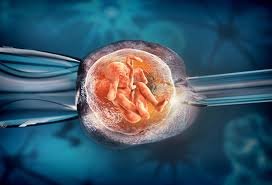
IVF is a medical procedure in which eggs are fertilized by sperm outside the body in a controlled laboratory environment. Unlike natural conception, where fertilization occurs in the fallopian tubes, IVF allows eggs and sperm to meet under precise conditions.
Once fertilization occurs and healthy embryos develop, one or more embryos are transferred into the uterus. If implantation is successful, a pregnancy occurs. IVF has revolutionized fertility care by offering solutions for many causes of infertility.
Types of IVF Treatments
Different IVF techniques are available depending on the couple’s needs:
- Standard IVF – Multiple eggs are collected and fertilized in the lab. Healthy embryos are then transferred into the uterus.
- ICSI (Intracytoplasmic Sperm Injection) – A single sperm is injected directly into an egg. This technique is useful for male infertility issues.
- Frozen Embryo Transfer (FET) – Embryos from a previous IVF cycle are thawed and transferred. This allows couples multiple attempts without repeating ovarian stimulation.
- Donor IVF – Uses eggs or sperm from a donor when natural gametes are not viable.
- Genetic Screening IVF (PGD/PGS) – Embryos are screened for genetic disorders before transfer to help ensure a healthy pregnancy.
Who Can Benefit from IVF
IVF can help couples facing a variety of fertility challenges, including:
- Blocked or damaged fallopian tubes
- Male infertility such as low sperm count or poor motility
- Ovulation problems
- Endometriosis
- Unexplained infertility
- Recurrent pregnancy loss
By providing a structured and controlled process, IVF increases the chances of conception for couples experiencing these difficulties.
IVF Procedure
The IVF process is carefully designed to be effective, safe, and comfortable:
- Ovarian Stimulation – Fertility medications help produce multiple eggs to increase the chances of successful fertilization.
- Monitoring – Blood tests and ultrasounds track egg development and readiness.
- Egg Retrieval – Mature eggs are collected using a minimally invasive procedure under light anesthesia.
- Sperm Collection – A sperm sample is collected from the partner or donor and prepared for fertilization.
- Fertilization – Eggs and sperm are combined in the laboratory. ICSI may be used if needed.
- Embryo Monitoring – Fertilized embryos are observed for quality and growth in a state-of-the-art lab.
- Embryo Transfer – Healthy embryos are placed into the uterus. This procedure is usually painless.
- Pregnancy Test – A blood test two weeks after transfer confirms pregnancy.
Throughout the process, fertility specialists provide guidance, emotional support, and counseling to ensure couples feel informed and confident.
Role of Fertility Specialists
Our specialists guide patients through every step of the IVF journey:
- Conducting thorough fertility evaluations
- Designing personalized treatment plans
- Explaining the procedures clearly and simply
- Advising on lifestyle and dietary adjustments to improve outcomes
- Offering emotional support and counseling
This approach ensures patients feel supported, informed, and cared for throughout their IVF journey.
Advantages of Choosing IVF
- Expert Team – Experienced fertility specialists
- Advanced Laboratory Facilities – Modern IVF and ICSI technologies
- Personalized Treatment – Plans tailored to each couple’s unique needs
- Supportive Environment – Emotional guidance throughout the treatment
- High Success Rates – Optimized protocols for better pregnancy outcomes
IVF offers hope and solutions for couples facing various fertility challenges, making parenthood possible in situations where natural conception may not occur.
FAQs on IVF
IVF is suitable for couples facing infertility due to blocked fallopian tubes, male factor infertility, ovulation disorders, endometriosis, unexplained infertility, or repeated pregnancy loss.
Most IVF procedures cause minimal discomfort. Egg retrieval is performed under light anesthesia, and embryo transfer is painless. Mild bloating or cramping may occur but usually subsides quickly.
A standard IVF cycle typically takes 4–6 weeks, from ovarian stimulation to embryo transfer. Depending on the individual, multiple cycles may be needed.
Success rates depend on factors such as age, health, cause of infertility, and number of embryos transferred. Advanced techniques and personalized care help optimize results.
Yes. IVF can be repeated if necessary. Treatment protocols may be adjusted or additional supportive measures recommended to improve chances of success in subsequent cycles.