
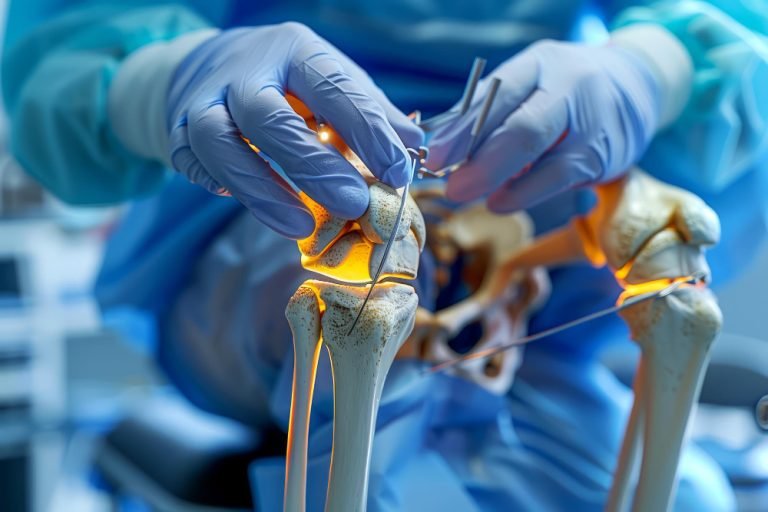
Orthopedic surgery is a medical specialty that focuses on diagnosing, treating, and managing problems with bones, joints, muscles, ligaments, and tendons. At our hospital, with years of experience in orthopedic care, we help patients regain mobility, reduce pain, and improve their overall quality of life. Our goal is to provide treatments that are safe, effective, and tailored to each patient’s needs.
What is Orthopedic Surgery?
Orthopedic surgery involves procedures to treat injuries or conditions affecting the musculoskeletal system. This can include fractures, joint damage, or torn ligaments. Using modern surgical techniques and advanced technology, orthopedic surgeons work to restore movement, reduce pain, and help patients return to their daily activities.
While some conditions can be managed without surgery through medications, physiotherapy, or lifestyle changes, surgical intervention becomes necessary when these methods are not sufficient or when the problem is severe.
Types of Orthopedic Surgery
Orthopedic surgery covers a variety of procedures, depending on the condition:
- Joint Replacement Surgery: Replacing damaged joints such as knees, hips, or shoulders with artificial implants to restore mobility.
- Arthroscopy: A minimally invasive surgery that uses a small camera to diagnose and treat joint issues, reducing recovery time.
- Fracture Repair: Fixing broken bones with plates, screws, or rods to ensure proper healing and prevent complications.
- Spinal Surgery: Treating conditions like herniated discs, scoliosis, spinal stenosis, or chronic back pain.
- Ligament and Tendon Repair: Restoring torn ligaments or tendons, such as ACL injuries or rotator cuff tears, to improve strength and function.
- Corrective Surgery: Procedures to fix bone or joint deformities caused by birth defects, trauma, or poorly healed fractures.
Role of an Orthopedic Surgeon
Orthopedic surgeons play a key role in helping patients recover mobility and improve quality of life. Their responsibilities include:
- Diagnosis: Identifying the cause of bone, joint, or ligament problems using physical exams, imaging, and lab tests.
- Treatment Planning: Creating a personalized plan based on the patient’s condition, lifestyle, and age.
- Surgical Intervention: Repairing, reconstructing, or replacing damaged structures.
- Postoperative Care: Supporting recovery with physiotherapy, pain management, and regular follow-ups.
Our surgeons are highly skilled in both traditional and minimally invasive techniques, providing treatments that are effective and safe, with faster recovery whenever possible.
Common Orthopedic Conditions
Orthopedic surgery treats a wide range of conditions, including:
- Osteoarthritis: Wear and tear of joints causing stiffness, pain, and reduced mobility.
- Rheumatoid Arthritis: An autoimmune disorder that inflames the joints, leading to discomfort and deformity.
- Fractures: Broken bones resulting from accidents, falls, or sports injuries.
- Sports Injuries: Ligament tears, tendon ruptures, or meniscus injuries common in active individuals.
- Spinal Problems: Herniated discs, scoliosis, spinal stenosis, and chronic back pain.
- Bone Deformities: Issues like bow legs, clubfoot, or misaligned fractures that affect movement and posture.
Causes of Orthopedic Problems
Bone, joint, and muscle problems can develop due to multiple factors:
- Aging: Natural wear and tear on joints and bones over time.
- Injuries: Accidents, falls, or sports-related trauma.
- Genetics: Inherited conditions affecting bone or joint health.
- Lifestyle Factors: Lack of physical activity, poor posture, or excess weight.
- Medical Conditions: Osteoporosis, arthritis, infections, or other health issues that weaken bones or joints.
Understanding the root cause is essential for choosing the right treatment and achieving the best results.
Treatment Options
Treatment depends on the severity of the condition and the patient’s overall health:
- Non-Surgical Treatments: Medications, physiotherapy, braces, or lifestyle adjustments to relieve pain and improve mobility.
- Minimally Invasive Procedures: Arthroscopy or injections to treat joint problems with faster recovery.
- Surgical Interventions: For severe cases, surgeries like joint replacement, fracture repair, or ligament reconstruction restore function and relieve pain.
Our approach combines expert surgical skills, modern technology, and compassionate care to provide safe and effective results.
Orthopedic Surgery Procedure
Most orthopedic surgeries follow these steps:
- Preoperative Evaluation: Thorough assessment including medical history, imaging, and lab tests.
- Anesthesia: Ensuring the patient is comfortable and pain-free during surgery.
- Surgery: Using precise techniques to repair or replace bones, joints, or ligaments.
- Recovery: Hospital monitoring followed by physiotherapy and gradual return to daily activities.
- Follow-Up Care: Regular check-ups to monitor healing and prevent complications.
Minimally invasive techniques allow faster recovery, smaller scars, and less postoperative pain compared to traditional surgery.
The Advantage of Expert Orthopedic Care
Choosing an experienced orthopedic team ensures accurate diagnosis, effective treatment, and safe recovery. Our surgeons combine technical expertise with a patient-focused approach, using advanced technology to deliver the best possible outcomes. Whether it’s relieving pain, restoring movement, or correcting deformities, our goal is to help patients live an active, comfortable, and pain-free life.
FAQs on Orthopedic Surgery
Surgery is recommended when non-surgical treatments do not relieve pain or improve mobility, or if the condition is severe.
Modern anesthesia and surgical techniques minimize discomfort during surgery. Postoperative pain is managed effectively with medications and physiotherapy.
Recovery depends on the type of procedure. Joint replacements may take several weeks to months, while minimally invasive procedures often heal faster.
All surgeries carry some risk, such as infection, bleeding, or blood clots. Experienced surgeons and proper care reduce these risks significantly.
Yes. Age alone is not a barrier. Surgeons evaluate overall health, bone strength, and other factors to ensure surgery is safe for older adults.