
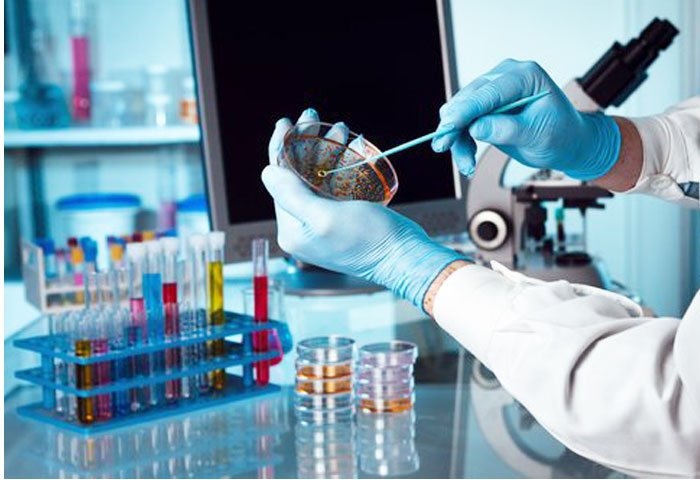
At Echelon Hospital, we understand that accurate diagnosis is the cornerstone of effective treatment. Our Clinical Pathology department provides comprehensive laboratory services that help detect, monitor, and manage a wide range of health conditions. With years of experience and a dedicated team of experts, we combine precision, technology, and patient-centered care to deliver reliable results.
Clinical pathology is often the first step in identifying potential health issues. Whether it’s routine screening, managing chronic conditions, or diagnosing complex diseases, the insights from laboratory tests guide doctors in making informed decisions and ensuring the best possible care.
What is Clinical Pathology?
Clinical Pathology is a branch of medicine that focuses on diagnosing diseases by examining samples from the body, such as blood, urine, tissues, and other bodily fluids. These tests detect abnormalities at a cellular or biochemical level, often before symptoms appear which allows for early detection and timely treatment.
In simple terms, clinical pathology acts as a window into your body’s internal health. It enables doctors to:
- Detect diseases early
- Monitor ongoing treatments
- Evaluate organ function
- Assess overall health status
This discipline plays a key role in preventive medicine, helping patients maintain good health and manage conditions effectively.
Importance of Clinical Pathology
The role of clinical pathology in modern healthcare is immense. Some of the ways it benefits patients include:
- Early Detection of Diseases: Many serious conditions, such as diabetes, kidney disorders, and heart diseases, can be identified early through laboratory tests, often before symptoms appear.
- Accurate Diagnosis: Tests provide detailed insights into the body’s functioning, enabling precise diagnosis and treatment planning.
- Monitoring Chronic Conditions: Regular tests help in managing chronic illnesses effectively, ensuring that treatments are working as expected.
- Ensuring Patient Safety: Clinical pathology helps monitor vital parameters like blood counts, organ functions, and metabolic balance, preventing complications during treatment.
We ensure that every test is performed with the highest standards of accuracy, reliability, and patient care, giving you peace of mind and actionable insights for your health.
Types of Clinical Pathology
Our laboratory offers a comprehensive range of clinical pathology tests, catering to various diagnostic needs.
-
Hematology
Hematology is the study of blood and its components, including red blood cells, white blood cells, platelets, and hemoglobin. It helps diagnose conditions such as anemia, infections, clotting disorders, and leukemia. Common hematology tests include:- Complete Blood Count (CBC)
- Hemoglobin A1c
- Coagulation Profile
-
Biochemistry
Biochemistry tests analyze the chemical composition of blood and other bodily fluids. They are essential for evaluating the function of vital organs, including the liver, kidneys, and heart. Key tests include:- Liver Function Test (LFT)
- Kidney Function Test (KFT)
- Blood Sugar Profile
- Lipid Profile
-
Microbiology
Microbiology tests focus on identifying bacteria, viruses, fungi, and other microorganisms that can cause infections. They are critical in diagnosing infectious diseases, guiding appropriate treatment, and preventing the spread of illness. Common tests include:- Urine Culture
- Blood Culture
- Throat Swab Analysis
- Stool Culture
-
Immunology
Immunology tests examine the immune system and its response to infections, allergens, or autoimmune conditions. These tests help detect disorders such as:- Allergic reactions
- Autoimmune diseases
- Immune deficiencies
-
Cytology & Histopathology
Cytology and histopathology involve examining cells and tissues under a microscope to detect abnormalities, including cancerous changes. They play a crucial role in:- Early cancer detection
- Monitoring disease progression
- Identifying abnormal tissue growth
Common Clinical Pathology Tests
Some of the most frequently performed tests include:
- Complete Blood Count (CBC): Provides a snapshot of your overall health, detecting infections, anemia, and other blood disorders.
- Liver Function Test (LFT): Evaluates liver health and function, identifying liver damage or diseases early.
- Kidney Function Test (KFT): Monitors kidney performance and detects disorders such as chronic kidney disease or electrolyte imbalances.
- Urine Routine & Culture: Detects urinary tract infections and other kidney-related issues to help guide treatment.
- Blood Sugar & Lipid Profile: Monitors metabolic and cardiovascular health, helping manage diabetes and cholesterol problems.
- Thyroid Profile: Assesses thyroid gland function to detect disorders like hypothyroidism or hyperthyroidism.
These tests are performed using advanced technology and precise techniques, ensuring results are reliable and accurate. They play a vital role in routine check-ups, preventive care, and managing chronic or complex health conditions.
Why Choose Our Clinical Pathology Services?
Selecting the right laboratory is essential for accuracy, reliability, and timely results. Here’s why patients trust our services:
- Experienced Team: Our pathologists and laboratory technicians bring expertise to every test, ensuring precise and trustworthy results.
- Advanced Technology: We utilize state-of-the-art diagnostic equipment, automated analyzers, and modern laboratory techniques to maintain the highest standards.
- Patient-Centric Approach: We prioritize patient comfort, confidentiality, and convenience. Our friendly staff guides you throughout the testing process, ensuring a smooth and stress-free experience.
- Reliable & Timely Reports: Quick turnaround times without compromising quality. Patients can access reports online or offline, depending on their preference.
- Comprehensive Services: From routine health check-ups to specialized investigations, we cover all clinical pathology needs under one roof.
Frequently Asked Questions
Preparation depends on the type of test. Blood tests may require fasting, while other tests may require a clean or timed sample. Our team provides clear instructions for every test to ensure accurate results.
Routine tests are generally available within 24 – 48 hours, while specialized investigations may take longer. Patients are informed in advance about the expected time for their reports.
Yes. All procedures follow strict hygiene and safety protocols, ensuring minimal discomfort and maximum safety for patients.
Absolutely. Our pediatric-friendly approach ensures that children are comfortable during tests while still delivering accurate results.
Yes. We provide seamless consultation services, allowing patients to discuss results with experienced doctors and plan the next steps for treatment.