
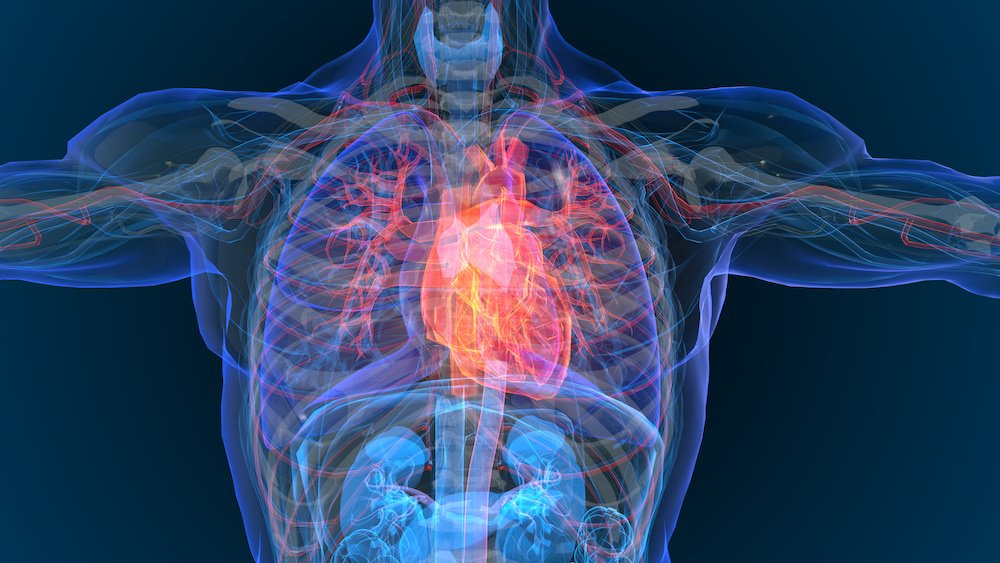
Your heart works like a natural engine, pumping blood and oxygen throughout your body. What keeps it beating regularly is a series of tiny electrical signals that run through the heart’s conduction system. When this system is disturbed, the heart may beat too fast, too slow, or irregularly. Such rhythm problems, known as arrhythmias, can affect your daily life and even put your health at serious risk if not treated on time.
At Echelon Hospital, our Electrophysiology (EP) Department is dedicated to diagnosing and treating these complex rhythm disorders. With advanced technology, expert specialists, and patient-centered care, we make sure your heart continues to beat in the healthiest rhythm possible.
What is Electrophysiology?
Electrophysiology is a specialized branch of cardiology that focuses on the heart’s electrical system. Think of your heart as a house with wiring. When the wiring works smoothly, the house lights up perfectly. But if there’s a short circuit, lights may flicker or fail. Similarly, if your heart’s electrical system malfunctions, it results in irregular heartbeats.
Through specialized tests and treatments, electrophysiologists can identify where the “short circuit” is happening and fix it, ensuring your heartbeat is steady and reliable again.
Signs You Might Need an Electrophysiology Consultation
Many people dismiss irregular heartbeats or palpitations as “normal” or “just stress.” However, some symptoms could indicate a deeper electrical problem in your heart. You should see an electrophysiologist if you experience:
- Rapid heartbeat or racing sensation in the chest
- Skipped beats or irregular pulse
- Sudden fainting spells or dizziness
- Unexplained fatigue or shortness of breath
- Chest discomfort associated with fast or slow heartbeats
Ignoring these symptoms can put you at risk of stroke, heart failure, or even sudden cardiac arrest.
Common Conditions We Treat
Our Electrophysiology service at Echelon Hospital specializes in diagnosing and managing all types of arrhythmias, including:
- Atrial Fibrillation (AFib): The most common type of irregular heartbeat that can increase the risk of stroke.
- Supraventricular Tachycardia (SVT): A fast rhythm that starts in the upper chambers of the heart and may cause palpitations and breathlessness.
- Ventricular Tachycardia (VT): A potentially dangerous rhythm from the lower chambers of the heart that requires urgent care.
- Bradycardia: Abnormally slow heartbeat, which can cause dizziness and fainting.
- Palpitations and Syncope (Fainting): Often linked to hidden rhythm disorders that require detailed evaluation.
Our Electrophysiology Services
We offer a complete range of EP services under one roof. Our facilities are equipped with advanced labs and modern technology to ensure accurate diagnosis and treatment.
- Electrophysiology (EP) Study: A minimally invasive test that helps map your heart’s electrical activity. It pinpoints the exact location and type of rhythm problem.
- Catheter Ablation: A highly effective treatment that uses heat or cold energy to destroy small areas of heart tissue responsible for abnormal rhythms.
- Pacemaker Implantation: For patients with slow heartbeats, a pacemaker restores and maintains a regular heart rhythm.
- Implantable Cardioverter-Defibrillator (ICD): A life-saving device implanted in patients at risk of sudden cardiac arrest. It detects dangerous rhythms and delivers a shock to restore normal heartbeat.
- Cardiac Resynchronization Therapy (CRT): Designed for patients with heart failure and rhythm disturbances, CRT improves the heart’s pumping efficiency.
- Holter & Event Monitoring: Wearable devices that record your heart’s rhythm over hours or days to capture irregularities that don’t show up during routine tests.
Why Choose Echelon Hospital for Electrophysiology?
- Expert Electrophysiologists: Our team consists of highly skilled specialists trained to handle even the most complex rhythm disorders.
- State-of-the-Art Technology: From 3D mapping systems to advanced ablation tools, we use the latest innovations for precise care.
- Comprehensive Care: We don’t just treat the problem; we guide you through lifestyle changes, medications, and long-term heart health management.
- Patient-Centric Approach: We explain procedures in simple, understandable language and ensure you feel comfortable every step of the way.
- Emergency Support: With 24/7 cardiac care, we are fully equipped to handle urgent rhythm disturbances.
At Echelon Hospital, we don’t just treat conditions we treat people. Every patient receives personalized care tailored to their needs.
Life After Electrophysiology Treatment
Patients often worry about recovery after an EP procedure. The good news is that most EP treatments, such as ablation or pacemaker implantation, are minimally invasive with quick recovery times. Many patients return to normal routines within days, with a significant improvement in their quality of life.
Long-term follow-up care ensures that your treatment remains effective, and our team supports you with regular checkups and monitoring.
Frequently Asked Questions
It’s a simple test that checks the electrical signals in your heart. Doctors use it to find out why your heartbeat is irregular and how to treat it.
No, it isn’t painful. You’ll be given medicines to relax, and most people only feel a little pressure or mild discomfort.
Most people go home the same day or the next day. You may need 1–2 days of rest, and you can usually return to your normal routine within a week.
Yes, many can. Treatments like catheter ablation can fix the problem for good. In some cases, medicines or small devices like pacemakers may be needed.
Yes, it’s a very safe and common treatment. At Echelon Hospital, our specialists use advanced technology to make it even safer and more effective.