
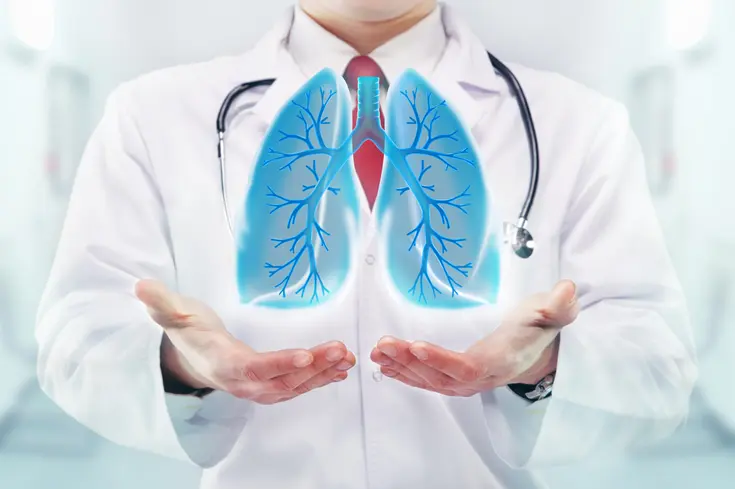
Thoracic surgery is a highly specialized field of medicine that deals with conditions involving the chest and the vital organs within it, primarily the heart, lungs, esophagus, and diaphragm. Whether it’s treating lung cancer, repairing heart defects, or addressing injuries from accidents, thoracic surgery plays a crucial role in improving and saving lives.
Over the years, the division has registered impressive growth, with advanced technologies and minimally invasive procedures ensuring that procedures are safer and recovery is quicker. For Kopar Khairane and other adjacent residents, Echelon Hospital has emerged as a go-to destination for specialized thoracic care. With its state-of-the-art infrastructure, seasoned surgical team, and patient-friendly attitude, Echelon Hospital has made a name for itself in providing high-quality thoracic surgical procedures.
What is Thoracic Surgery?
Thoracic surgery encompasses surgical interventions that treat ailments and illnesses of organs within the chest. They involve the lungs, heart, esophagus, diaphragm, and the chest wall itself. They can be open (conventional) or minimally invasive, depending on the condition and the health status of the patient.
The main objective is to eliminate or reconstruct compromised tissue, treat cancer, fix defects, or treat trauma injuries. Thoracic surgeons receive a thorough training to perform these complicated operations while providing optimal results for patients.
Types of Thoracic Procedures Provided
Echelon Hospital offers a variety of thoracic operations, customized as per individual patient requirements. Some of the most frequent operations include:
-
Lung Surgery: Performed to treat lung cancer, infections, or
chronic illnesses such as emphysema. Common procedures include:
- Lobectomy: Removal of a single lobe of the lung.
- Pneumonectomy: Removal of an entire lung.
- Heart Surgery: While often performed by cardiothoracic surgeons, thoracic surgeons also assist with procedures like valve replacements and coronary artery bypass surgeries.
- Esophageal Surgery: Conditions such as esophageal cancer or severe acid reflux may require surgical intervention. The most common procedure is an esophagectomy, which involves removing part or all of the esophagus.
- Diaphragm Surgery: Surgical repair of the diaphragm is performed in cases of hernias or paralysis to restore normal respiratory function.
- Trauma Surgery: In emergency situations involving chest trauma—such as internal bleeding, fractured ribs, or lung punctures—thoracic surgeons perform life-saving procedures.
Minimally Invasive Surgery: Procedures like Video-Assisted Thoracoscopic Surgery (VATS) provide smaller cuts, reduced pain, and faster recovery. Echelon Hospital is well equipped with the newest devices to carry out such procedures.
Conditions Frequently Treated with Thoracic Surgery
Following are some conditions where thoracic surgery is frequently indicated:- Lung Cancer: One of the primary indications for thoracic surgery. Removing tumors surgically can significantly improve survival rates.
- Severe Pneumonia or Lung Infections: When medications are ineffective, surgery may be required to drain abscesses or remove infected lung tissue.
- Esophageal Disorders: Conditions like GERD, achalasia, or esophageal cancer may necessitate surgical correction or removal of affected parts.
- Chest Injuries: Thoracic trauma often demands immediate surgical intervention to repair damage and prevent long-term complications.
- Congenital Lung or Heart Defects: Some individuals are born with abnormalities that can be surgically corrected to restore normal function.
- Chronic Obstructive Pulmonary Disease (COPD): In advanced stages, removing damaged portions of the lung can improve breathing and overall quality of life.
Preparation for Thoracic Surgery
Preparation for thoracic surgery is a multi-step process to make the surgery safe and uneventful:
- Consultation with the Surgeon: The surgeon will review your medical history, explain the procedure in detail, and answer any questions or concerns you may have.
- Diagnostic Tests: You may undergo chest X-rays, CT scans, blood tests, or lung function tests to ensure a thorough evaluation of your condition.
- Fasting Before Surgery: Patients are typically required to fast for a specified period before the procedure to ensure a safe and smooth operation.
- Medication Review: Some medications, especially blood thinners, may need to be paused prior to surgery to reduce the risk of complications.
What to Expect During Recovery
Recovery from thoracic surgery varies depending on the complexity of the procedure and your general health. At Echelon Hospital, patients receive comprehensive post-operative care to support a smooth healing process.
Why Choose Echelon Hospital in Kopar Khairane?
Echelon Hospital integrates specialized surgical care with a caring approach. Patients gain from:
- Highly skilled thoracic surgeons
- State-of-the-art operation theaters
- Advanced diagnostic and imaging services
- Personalized treatment plans
- Supportive nursing and rehabilitation teams