
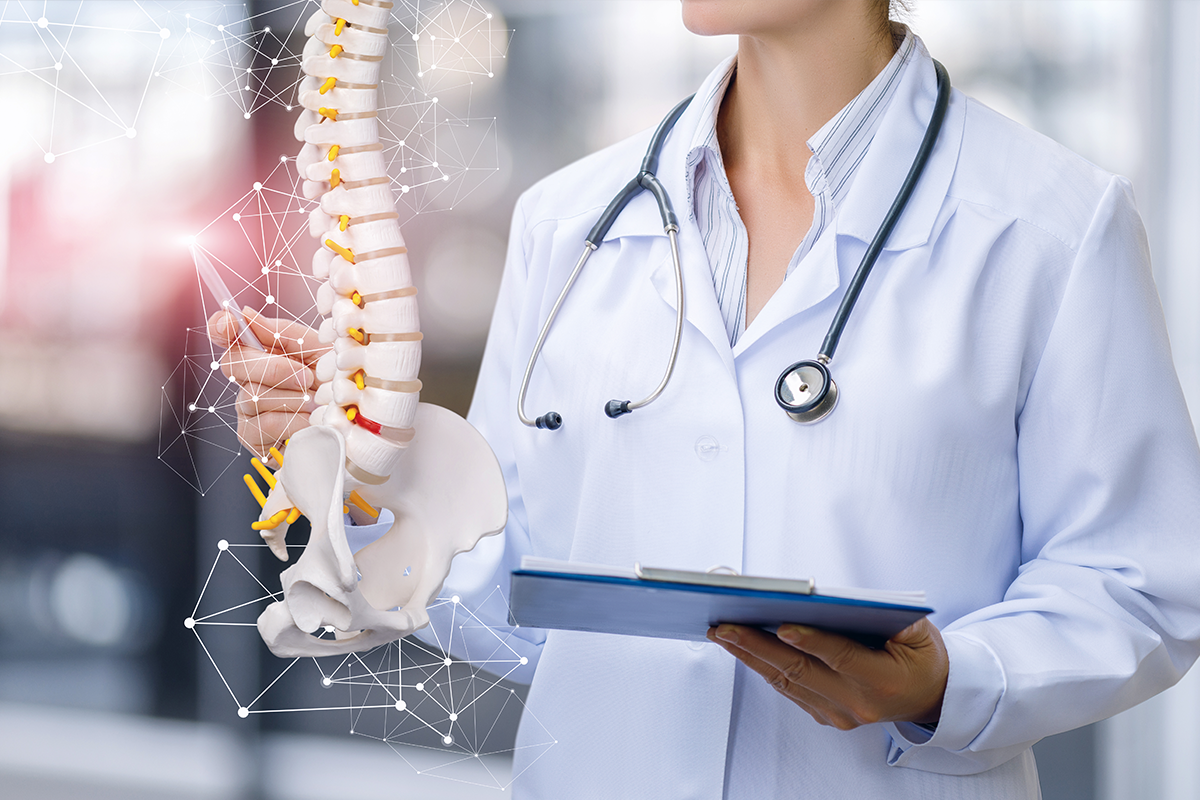
The spine is one of the most important structures in the human body. It not only gives us the ability to stand upright and move freely but also protects the spinal cord, which carries messages between the brain and the rest of the body. Any problem in the spine can lead to severe pain, reduced mobility, and in some cases, serious neurological complications.
Spine surgery is a specialized branch of surgery that focuses on correcting structural problems of the spine and relieving pressure on the spinal cord or nerves. While many spinal issues can be managed with non-surgical treatments such as medications, injections, and physiotherapy, surgery becomes necessary when these options fail to bring relief or when the condition threatens to worsen.
At Echelon Hospital, we combine advanced technology with the expertise of highly trained spine surgeons to offer both traditional and minimally invasive surgical options. Our goal is simple to help you live a pain-free, active, and healthier life.
Common Conditions That May Need Spine Surgery
Not every back or neck ache means surgery is needed. In fact, most spinal issues are managed without surgical intervention. However, there are certain conditions where surgery can provide long-term relief and restore normal function:
- Herniated Disc: When the cushioning disc between vertebrae slips out of place and presses on nerves, it causes pain, numbness, or weakness.
- Spinal Stenosis: A narrowing of the spinal canal that leads to compression of the spinal cord or nerves, resulting in pain, tingling, or difficulty walking.
- Scoliosis & Spinal Deformities: Abnormal curvature or alignment of the spine that may worsen over time if left untreated.
- Degenerative Disc Disease: The natural wear and tear of spinal discs due to aging, leading to chronic pain or instability.
- Spinal Fractures: Caused by accidents, falls, or osteoporosis, which weaken the bones and make them prone to collapse.
- Sciatica: A sharp, shooting pain that radiates from the lower back down the legs due to nerve compression.
- Spinal Tumors: Abnormal growths within or around the spinal cord that require surgical removal for both relief and safety.
By addressing these conditions through timely surgical care, patients can regain mobility, reduce pain, and prevent further complications.
Types of Spine Surgery
Every patient is unique, and so are their spinal conditions. At Echelon Hospital, our surgeons carefully evaluate your medical history, imaging results, and symptoms before recommending the best surgical approach. Some of the most common types of spine surgery we perform include:
- Minimally Invasive Spine Surgery (MISS): A modern approach using tiny incisions and specialized tools, resulting in less pain, reduced scarring, shorter hospital stay, and faster recovery.
- Discectomy: A procedure to remove part of a herniated disc that is pressing on nearby nerves.
- Laminectomy: Removal of a small section of the vertebra (lamina) to relieve pressure caused by spinal stenosis.
- Spinal Fusion: Joining two or more vertebrae together using bone grafts or implants to stabilize the spine.
- Artificial Disc Replacement: Instead of fusing vertebrae, a damaged disc is replaced with an artificial one, preserving natural motion.
- Kyphoplasty & Vertebroplasty: Minimally invasive treatments for spinal fractures that help restore strength and reduce pain.
- Scoliosis Surgery: Correcting abnormal spinal curves and improving posture, breathing, and overall spinal function.
Each of these procedures is performed with precision and care, ensuring that patients receive the most effective and safest treatment available.
Our Spine Surgery Procedures
At Echelon Hospital, we believe that successful outcomes start with accurate diagnosis and personalized care. Our process includes:
- Accurate Diagnosis: We use advanced imaging technologies such as MRI, CT scans, and X-rays, along with thorough neurological examinations, to identify the exact cause of spinal problems.
- Personalized Treatment Plans: Every patient’s needs are different. We design customized treatment strategies based on age, lifestyle, medical history, and the severity of the condition.
- Minimally Invasive Techniques: Whenever possible, we choose minimally invasive approaches that reduce hospital stay, minimize pain, and allow patients to return to daily activities sooner.
- Post-Surgery Rehabilitation: Surgery is only the first step toward recovery. Our team of physiotherapists and rehabilitation specialists ensures patients regain strength, flexibility, and confidence after their procedure.
Our holistic approach ensures not just successful surgery but also long-term spine health.
Why Choose Echelon Hospital for Spine Surgery?
Deciding on spine surgery is an important and often life-changing choice. Patients across the region trust Echelon Hospital for their spinal care because we offer:
- Experienced Spine Surgeons: A team of highly qualified and skilled surgeons with expertise in handling both routine and complex spinal conditions.
- State-of-the-Art Technology: From advanced imaging systems to high-precision surgical navigation, we use the latest tools for accurate and safe procedures.
- Comprehensive Care Under One Roof: From the first consultation and diagnostic tests to surgery, rehabilitation, and follow-up, we provide complete care without the need to go elsewhere.
- Patient-Centric Approach: We prioritize comfort, safety, and clear communication, ensuring patients and families feel supported throughout the journey.
- Proven Success Rates: With a strong track record of successful surgeries and thousands of satisfied patients, we are a trusted name in spine care.
At Echelon, our mission is not just to treat spinal problems but to transform lives by helping people move freely and live without pain.
FAQs on Spine Surgery
Yes, spine surgery is safe when performed by experienced surgeons using modern techniques. We ensure patient safety with advanced monitoring and minimally invasive methods wherever possible.
If you have persistent back or neck pain that does not improve with medications, physiotherapy, or lifestyle changes, and it interferes with daily activities, your doctor may recommend surgery after proper evaluation.
Recovery depends on the type of surgery performed. Minimally invasive procedures often allow patients to resume normal activities within a few weeks, while complex surgeries may require a longer recovery period with guided rehabilitation.
Yes, physiotherapy is an essential part of recovery. It helps strengthen muscles, restore flexibility, and improve overall spine health.
Not always. While many spinal conditions can be treated with minimally invasive approaches, some severe deformities, tumors, or trauma-related injuries may require open surgery for the best results.