
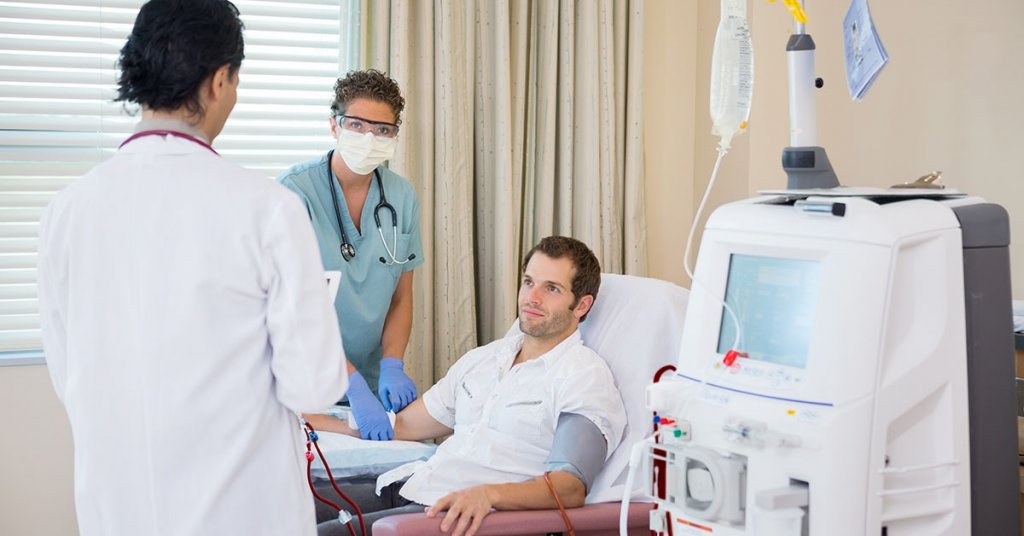
Understanding Dialysis
The kidneys are vital organs that work as the body’s natural filters. They remove toxins, excess fluids, and waste products while balancing electrolytes, producing essential hormones, and regulating blood pressure. When kidney function declines severely, the body cannot eliminate harmful substances effectively, leading to serious complications such as fluid overload, electrolyte imbalance, and life-threatening conditions.
This stage, known as end-stage renal disease (ESRD), requires external support. Dialysis is a life-sustaining treatment that replicates some functions of the kidneys by cleansing the blood and maintaining balance within the body. While it is not a cure for kidney failure, dialysis helps patients regain stability, improve daily well-being, and extend life expectancy. For many individuals, dialysis serves as a bridge to kidney transplantation, while for others, it becomes an essential long-term therapy.
Types of Dialysis
At Echelon Hospital, we provide two primary forms of dialysis, ensuring that treatment is tailored to each patient’s health condition, lifestyle, and personal needs.
-
Hemodialysis
- Blood is drawn from the body and passed through a machine called a dialyzer, also known as an artificial kidney.
- Inside the machine, toxins, excess fluids, and wastes are filtered out. The cleansed blood is then returned to the patient.
- This procedure typically takes place in a hospital or dialysis center under professional supervision.
- Most patients undergo hemodialysis three times a week, with each session lasting about 3–5 hours.
-
Peritoneal Dialysis
- Instead of using an external machine, this method uses the lining of the abdominal cavity (peritoneum) as a natural filter.
- A sterile fluid, called dialysate, is introduced into the abdomen through a catheter. It absorbs waste and extra fluid from the blood.
- After several hours, the used solution is drained and replaced with fresh fluid.
- Peritoneal dialysis can be performed at home, either manually throughout the day (Continuous Ambulatory Peritoneal Dialysis) or automatically at night using a machine (Automated Peritoneal Dialysis).
- This option provides greater independence and flexibility, making it suitable for patients who prefer treatment in the comfort of their own homes.
The Dialysis Procedure
Hemodialysis
- Vascular Access Creation – A fistula or graft is surgically placed in the arm to allow safe blood flow.
- Needle Insertion – Two needles are used: one to carry blood to the machine, and the other to return it after cleansing.
- Blood Filtration – The dialyzer removes toxins, extra fluid, and waste products.
- Session Duration – Each session lasts 3–5 hours, usually performed three times weekly.
Peritoneal Dialysis
- Catheter Placement – A soft tube is surgically inserted into the abdomen.
- Dialysate Infusion – A sterile cleansing solution is introduced into the abdominal cavity.
- Waste Absorption – Over several hours, the fluid absorbs toxins and extra fluid.
- Drain and Refill – The used solution is drained, and fresh fluid is introduced.
- Routine – This process is repeated multiple times a day or performed automatically overnight.
Benefits of Dialysis
Dialysis offers several benefits that help patients live healthier and more balanced lives despite kidney failure:
- Cleanses the blood: Removes waste products and toxins that can otherwise accumulate to dangerous levels.
- Manages fluid balance: Prevents swelling, high blood pressure, and fluid buildup in vital organs.
- Maintains electrolytes: Ensures safe levels of potassium, sodium, and calcium, preventing complications like heart rhythm disturbances.
- Supports overall health: Helps reduce fatigue, nausea, and other symptoms of kidney failure.
- Life-saving bridge: Serves as critical support while awaiting a kidney transplant.
- Flexibility of options: With both hospital-based hemodialysis and home-based peritoneal dialysis, patients can choose treatment based on their comfort and lifestyle.
- Improved quality of life: With proper care, patients can continue to work, travel, and engage in daily activities.
Common Indications for Dialysis
Dialysis is required when kidney function falls below 10–15%. The most common reasons include:
- Chronic kidney disease (CKD): In its advanced stages.
- Diabetes and high blood pressure: Leading causes of kidney failure.
- Polycystic kidney disease: An inherited condition that damages kidney tissue.
- Glomerulonephritis: An inflammation of kidney filters.
- Acute kidney injury: When the kidneys suddenly stop working due to severe illness, injury, or medication side effects.
Why Choose Echelon Hospital for Dialysis?
Dialysis is a long-term commitment, and choosing the right healthcare partner makes a significant difference. At Echelon Hospital, we go beyond just offering treatment we provide holistic care focused on the overall well-being of our patients.
- Expert Medical Team: Our nephrologists, dialysis specialists, and nursing staff bring years of expertise in managing even complex cases.
- Advanced Infrastructure: We use cutting-edge dialysis machines designed to provide safe, precise, and comfortable treatments.
- Patient-Centric Approach: From flexible scheduling to personalized treatment plans, care is tailored to individual needs.
- Infection Control: We maintain strict hygiene and sterilization standards to ensure safe procedures.
- Nutritional Guidance: Dedicated dietitians support patients in following kidney-friendly diets.
- Comprehensive Care: Our services include counseling, education, and preparation for kidney transplantation.
- Comfort and Support: We prioritize creating a supportive environment, where patients feel cared for and reassured throughout their journey.
Conclusion
Dialysis is not simply a medical intervention—it represents hope, stability, and the opportunity for patients to continue living well despite kidney failure, we are committed to making each dialysis session safe, effective, and supportive, ensuring that our patients receive not only treatment but also care that enhances their quality of life.
Frequently Asked Questions
Hemodialysis usually takes 3–5 hours, three times a week, while peritoneal dialysis is performed daily and often managed at home, including overnight.
Dialysis is generally not painful. Hemodialysis involves minor needle pricks, while peritoneal dialysis uses a catheter placed in the abdomen. Some patients may experience temporary fatigue or low blood pressure after sessions, which is usually manageable.
No. Dialysis substitutes some vital functions of the kidneys but cannot fully replace them. A kidney transplant remains the only permanent treatment option for end-stage renal disease.
Patients need to follow a kidney-friendly diet that controls intake of sodium, potassium, phosphorus, and fluids. At Echelon Hospital, dietitians provide personalized dietary guidance to help manage nutrition while ensuring patients stay healthy and energized.
Many patients live for years, and even decades, with proper dialysis, medical care, and lifestyle adjustments. Life expectancy depends on age, overall health, and adherence to treatment plans. With regular follow-ups and a positive approach, patients can maintain a good quality of life.